

The Real Victory of the World Cup: Migration as a Cultural and Economic Force
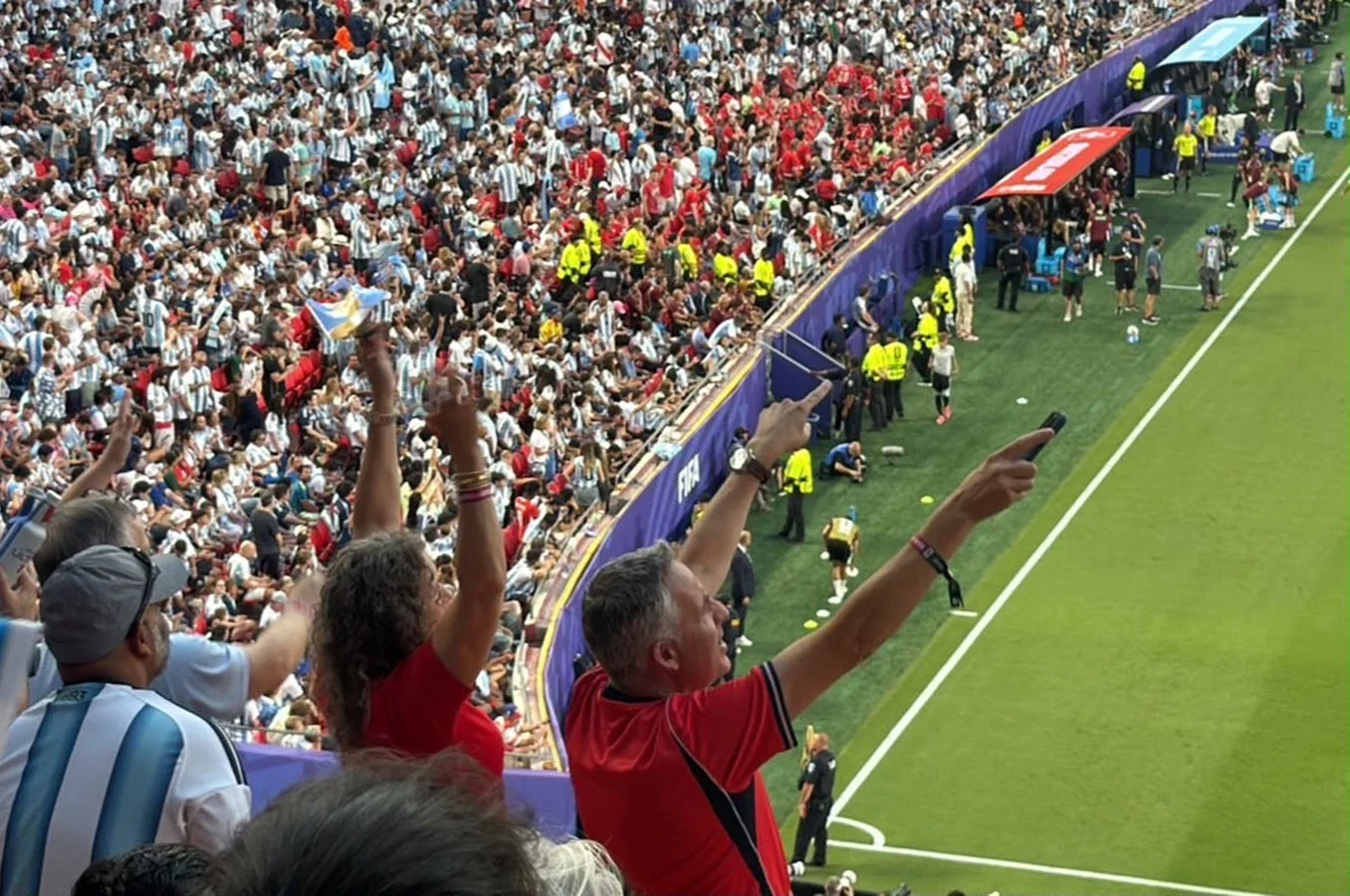
As the World Cup heads into the semifinals this week, one thing has become undeniably clear: the tournament has showcased the profound social, cultural, and economic impact of immigrant communities on the beautiful game.
Talent Without Borders
Three of the four semifinalists have benefited tremendously from their multicultural identities. France, widely regarded as one of the strongest teams in the world, has built much of its success on players with immigrant backgrounds. A prime example is Kylian Mbappé, whose father was born in Cameroon and immigrated with his family when Mbappé was just one year old - a profile that today would closely resemble that of a Dreamer. Spain’s rising star, Lamine Yamal, is the son of immigrants from Morocco and Equatorial Guinea.
While we could go player by player, the reality is undeniable: these national teams owe much of their greatness to human mobility and migration.
An Economic and Cultural Powerhouse in the Stands
The impact of immigrants extends far beyond the field. They are also a major economic engine behind the tournament’s success.
World Cup stadiums across the United States have been packed with fans from immigrant communities and diasporas. According to the U.S. Census Bureau, the overwhelming majority of tournament attendees were projected to be immigrants or the children of immigrants.
The economic impact is significant:
More than 185,000 jobs have been created.
The tournament is expected to generate $5.4 billion in economic activity, according to The Economic Times.
At the same time, the World Cup has sparked a unique cultural phenomenon on television. Multiple media outlets have reported that many English-speaking viewers have chosen to watch matches on Telemundo’s Spanish-language broadcasts. For many American fans, Spanish commentary brings a level of passion and energy that makes the game feel even more exciting and immersive.
More Than a Tournament: A Powerful Counterpoint to Anti-immigrant Narratives
Taken together, these facts underscore just how essential immigrants and their communities are to society. Their contributions extend across professional sports, culture, and the economy, enriching the countries they call home.
As former Mexican Ambassador Arturo Sarukhán aptly noted, “This World Cup has become more than a sporting event - it has also emerged as a compelling counterargument to the anti-immigrant rhetoric that continues to shape political discourse today.”
The World Cup reminds us that immigrant communities are not on the sidelines. They are driving culture, strengthening economies, and shaping the future. Heartland Workers Center works every day to build power with immigrant and working-class communities across Nebraska. We invite you to stand with us, share our work, and support the movement for dignity, opportunity, and justice for all.

This month’s blog was researched and written by Christian Espinosa, Heartland Workers Center board member and secretary.